







Search Results for: Japanese rapid cooling

Complete Brewing Parameters Analysis of Ice Dosage for Iced Pour-Over Coffee and the Japanese Rapid Cooling Method
When making iced pour-over coffee, the choice and amount of ice are often the questions enthusiasts ask about most. The core role ice plays in iced pour-over is rapid cooling, not aroma preservation or insulation. Because melted ice dilutes the coffee's strength, its density and quantity directly determine the finished cup's taste and drinking experience. This article will go through the considerations for choosing ice, recommended amounts, and the complete process and specific parameters of Japanese-style rapid-chill iced pour-over, one by one. The article also uses Front Street Coffee's Geisha Village Estate Red Label Geisha as an example to share a practical approach combining high-concentration extraction with a precise ice ratio, helping you brew a cup of refreshing, full-bodied, flavor-forward iced pour-over coffee at home. [more…]
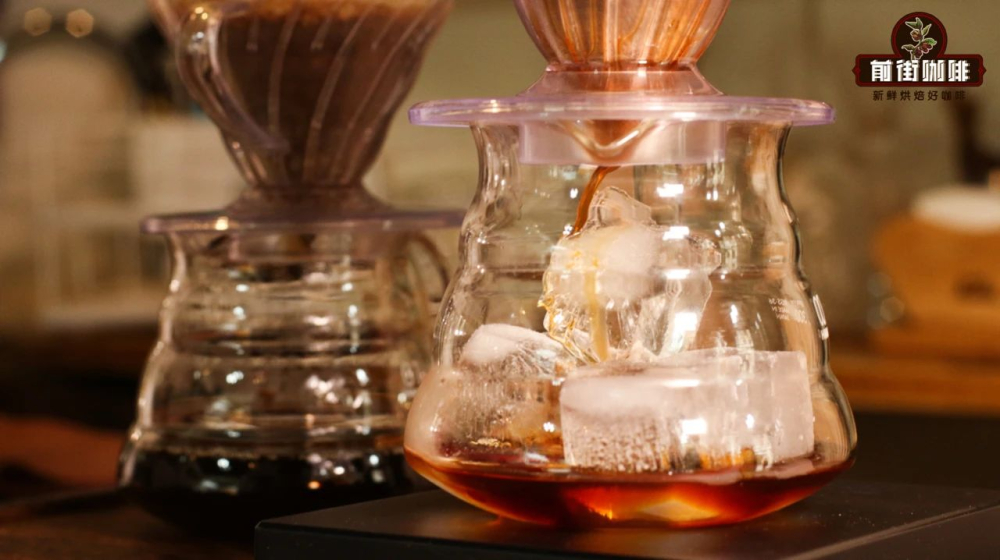
Japanese Iced Pour-Over Ratio | How Do You Make Iced Pour-Over Coffee? For Iced Pour-Over Coffee, Do You Put the Ice in First or Add It Later? How Do You Describe the Flavor and Mouthfeel Characteristics of Iced Pour-Over?
To drink iced coffee, is cold brew the only option? Not at all!! There are many ways to make iced coffee, such as Japanese-style iced coffee. Today, I'll share with you how to make a cup of Japanese-style iced coffee. A few days ago, a customer asked, "How do you brew your iced pour-over coffee? Is there a difference between adding ice first and adding ice later?" This [more…]
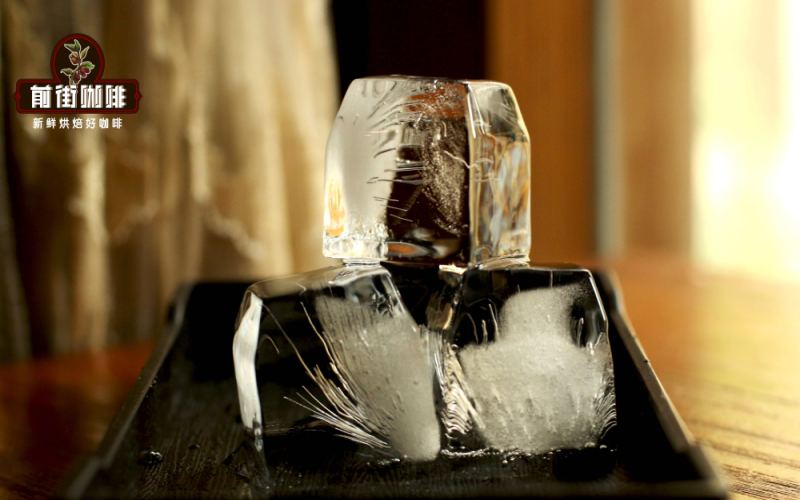
Japanese-Style Iced Pour-Over Tutorial | For iced pour-over coffee, should you add ice first or ice last? What is the ratio of coffee grounds, water, and ice for iced coffee brewing?
For more specialty coffee knowledge, please follow our WeChat public account: FrontStreet Coffee. A while ago, a customer asked, "How do you brew your iced pour-over coffee? Is there a difference between adding ice first and adding ice later?" In this issue, Front Street will conduct an experiment to compare them, hoping to [more…]

The Japanese Dark Roast School: A Roasting Philosophy That Takes Mouthfeel as Its Faith
In an era when specialty coffee has unmistakably surged toward "light-roast fruit acidity," the Japanese roasting world took the opposite path: roasting beans dark and thorough, pursuing the mellow aesthetics of "sweetness after bitterness." Japanese-style dark roasting is not an accidental product of over-roasting, but a self-consistent philosophical system. Understanding this school will change how you think about what "coffee should [more…]
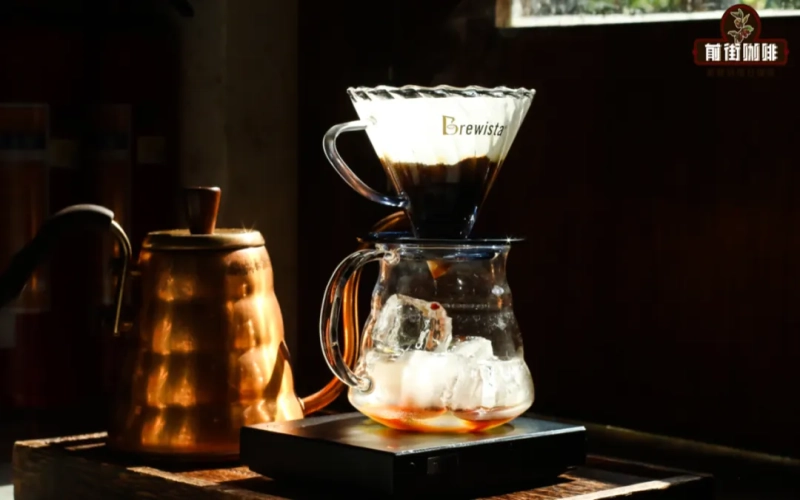
An Analysis of the Price Difference Between Iced and Hot Coffee, and the Complete Method for Japanese-Style Iced Pour-Over
Why is iced coffee often more expensive than hot coffee? Drawing on Front Street Coffee's production experience, this article sorts out two core questions about iced pour-over coffee: how to determine the coffee-to-water-to-ice ratio, and what difference adding ice first versus adding ice later makes. It also introduces the types of coffee beans suitable for making iced pour-over and gives Front Street's specific recommended products, including Yirgacheffe G1, Huakui, Cherry Tomato, Butterfly, Xizhua, and Strawberry Candy. The article also explains the need to adjust the grind size, as well as two alternative cooling methods—the over-ice method and the ice-bath cooling method—making it a useful reference for coffee enthusiasts to put into practice. [more…]
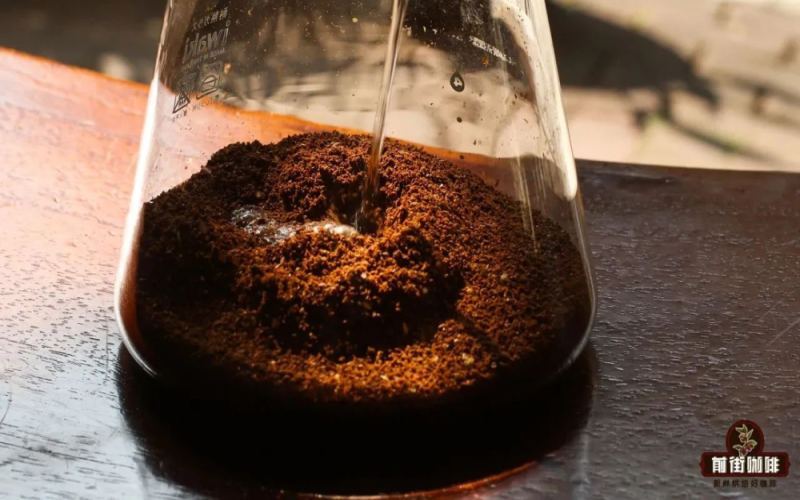
How to Make Cold Brew, Ice Drip, and Japanese Iced Coffee? A Detailed Guide from Extraction Principles to Front Street Kenya Beans in Practice
The iced coffee family has many members—cold drip, Japanese-style iced coffee, and cold brew coffee each have their own tricks. Where exactly do their methods and flavors differ? Using Front Street Kenya Little Tomato coffee beans as a practical case study, this article systematically sorts out the extraction logic of four types of iced coffee: the essential difference between hot brewing with rapid cooling and low-temperature slow extraction, the techniques for adjusting the coffee-to-water ratio and grind size in Japanese-style pour-over iced coffee, the steeping time and fermentation changes of cold brew coffee, and the key points of drip flow rate and overnight mellowing in cold drip coffee. It also includes Front Street's pour-over parameters, complete brewing steps, and flavor descriptions for each type of iced coffee, helping you find the cup of refreshing coffee that suits your taste. [more…]
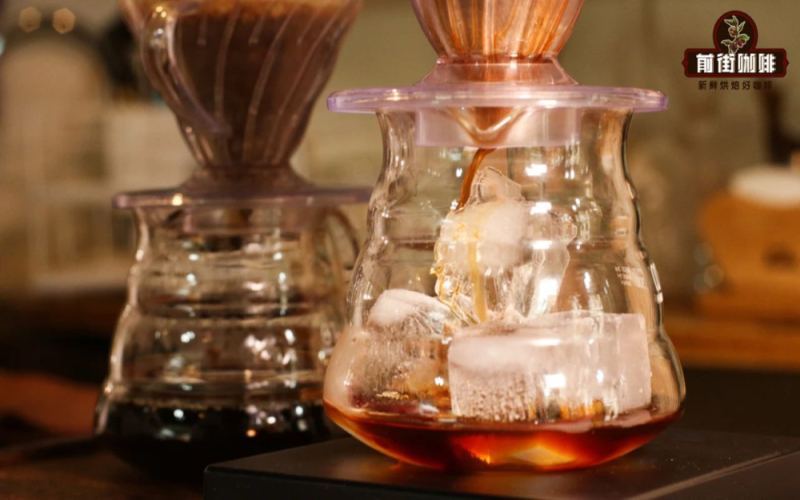
Comparison of Ice Addition Timing for Iced Hand-Brewed Coffee: An Analysis of Front Street's Japanese-Style Iced Hand-Brew Parameters and Sensory Differences
Should ice be added before or after brewing when making iced pour-over coffee? This question puzzles many coffee lovers. Front Street Coffee conducted a controlled experiment using 15 grams of Kaffa Forest coffee beans, a 1:10 coffee-to-water ratio, a water temperature of 90-91°C, and a grind setting of 9 on an EK43s grinder, testing two brewing sequences: ice added first and ice added last. The experiment found that after thorough shaking, the two methods performed quite similarly overall, but the coffee with ice added first tasted cleaner and more refreshing, while the one with ice added last had a more concentrated and intense aroma. The root of the difference lies in how much ice melts. This article will present the complete experimental parameters, step-by-step procedure, and sensory comparison results to help readers understand how the timing of ice addition affects the flavor of iced pour-over coffee. [more…]

Tracing the Origin and Analyzing the Flavor of Pacas Coffee Beans: From the El Salvador Bourbon Variety to Honduras Sherry
Pacas is a natural Bourbon mutation originating from El Salvador, later introduced to Honduras where it became an important local cultivar. This article systematically reviews the origin and discovery history of the Pacas variety, introduces the geographical conditions, cultivation history, six major producing regions, and main varieties of Honduran coffee, and provides a detailed review of Front Street Coffee's Honduras Sherry coffee beans—a specialty coffee that blends the Pacas variety and undergoes whiskey sherry cask fermentation, covering its roasting curve and the flavor performance under three brewing methods: V60, KONO, and Japanese iced pour-over. [more…]
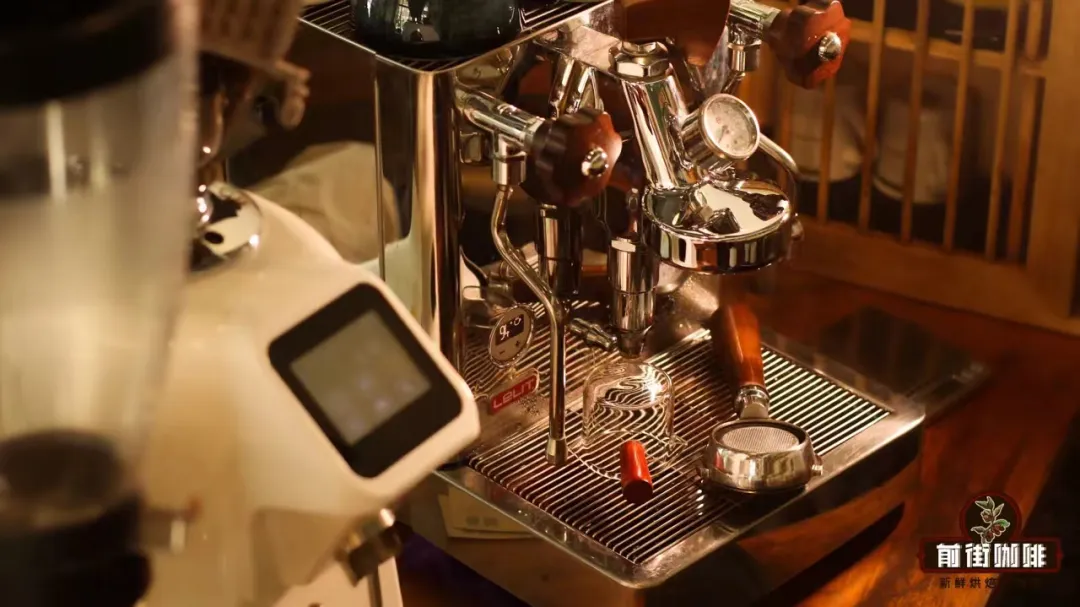
Types of Iced Coffee | What's the difference in flavor extraction principles between cold brew, ice drip, iced Americano, and Japanese iced pour-over? What are the specific coffee-to-water ratios, grind sizes, and methods for iced coffee?
For more specialty coffee knowledge, please follow our WeChat official account: Front Street Coffee (FrontStreet Coffee). The four common types of iced coffee we often see are iced Americano, iced pour-over, cold brew, and iced drip coffee. Some friends may not be very familiar with these four types of iced coffee, so Front Street will try to start from a few [more…]
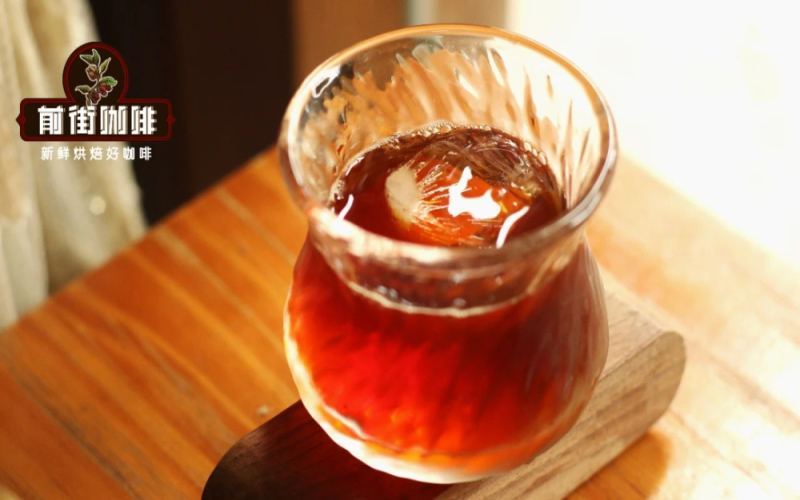
Summer Iced Coffee Brewing Guide: Four Iced Extraction Methods and Flavor Analysis of Front Street Coffee Gesha Village Chaka Beans
In the height of summer, a glass of ice-cold coffee always brings a uniquely refreshing experience. This time, Front Street Coffee has chosen the CHAKA sun-dried beans from Gesha Village and extracted them using four methods: hot pour-over, ice-fire brew, Japanese-style iced pour-over, and cold brew, to explore how the same beans express their flavors as temperature changes. Gesha Village CHAKA belongs to the estate's blended lot, composed of three varieties—Gori Gesha, Gesha 1931, and Illubabor. After a light roast, it presents a balanced profile of citrus, oolong tea, and cream. The different iced extraction methods bring out distinct layers of complexity, sweetness, and juiciness, making them well worth trying one by one for coffee enthusiasts. [more…]
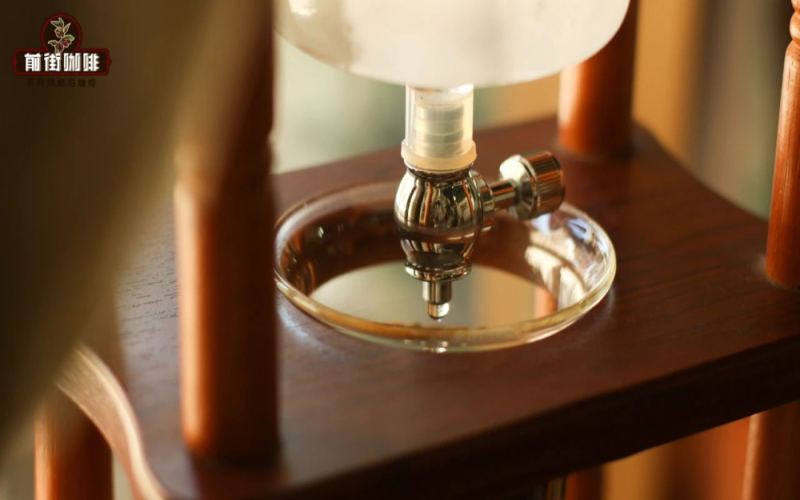
What Are the Differences Between Cold Brew, Ice Drip, Cold Brewed, and Iced Coffee? A Complete Guide to the Craft, Flavor, and Bean Selection of Four Types of Iced Coffee
Although they are all iced coffee, cold drip, cold brew, cold extraction, and iced chilling are often lumped together. They appear to all rely on low temperatures, but in reality their extraction paths, time requirements, and flavor directions are each different: cold drip emphasizes slow dripping and a fermented character, cold brew uses long soaking in exchange for a clean and smooth result, while iced chilling is a quick solution involving hot extraction followed by rapid cooling. This article breaks down the differences among the four from the perspectives of brewing principles, water flow control, water-to-coffee ratio, grinding, and bean selection, while retaining specific recommendations such as Front Street Coffee Mandheling and Yirgacheffe, to help coffee lovers make more suitable choices in different scenarios. [more…]
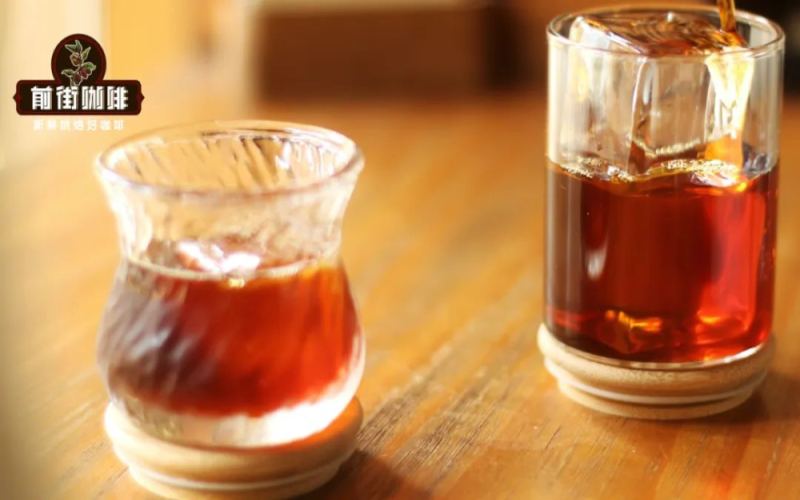
How to Make Delicious Japanese-Style Iced Coffee? Front Street Golden Mandheling Ice Brew Parameters and Complete Step-by-Step Guide
On a scorching summer day, a glass of iced coffee never fails to snap you awake. But many people run into the same problem when making iced coffee at home: the coffee turns out bitter and watery, with all the alluring caramel and nutty aromas diluted away by the ice. Is there a way to make iced coffee that is both refreshingly cold and retains the rich, mellow flavor characteristic of dark-roasted beans? A devoted fan of Front Street Coffee's Golden Mandheling shared his improved iced-brewing method, in which the key adjustments were the coffee-to-water-to-ice ratio and the pouring technique. The resulting black coffee not only has no trace of bitterness but also delivers notes of chocolate, maple syrup, and a creamy smoothness. Below is the complete set of parameters and step-by-step instructions—brew a pot and you'll discover the magic for yourself. [more…]
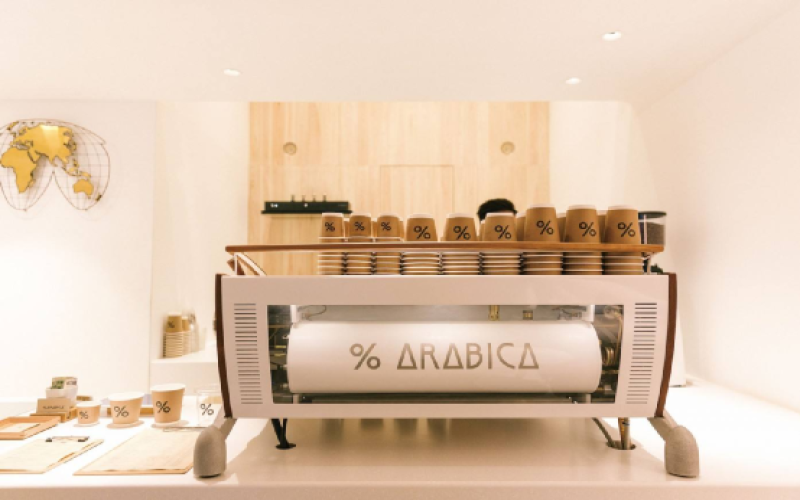
%Arabica's China operator Fumeng International plans to raise $300 million at a target valuation of $1.2 billion, bringing new challenges for specialty coffee expansion.
China's coffee chain market is expected to surpass 36,000 stores by 2025. Despite the pandemic repeatedly disrupting the food and beverage industry, the Chinese market is still regarded as a key growth engine for coffee brands both at home and abroad. Against the backdrop of a sharp pullback in financing enthusiasm, Fumeng International, the Chinese operator of the influencer specialty coffee brand %Arabica, is seeking about $300 million in new funding at a target valuation of $1.2 billion. The brand started with a minimalist visual style, gained popularity from Hong Kong to Arashiyama in Kyoto, and expanded rapidly after entering Shanghai in 2018. It now has 61 stores in mainland China, Hong Kong and Macau. However, as its locations become more mainstream and its influencer halo fades, %Arabica's balance between scale and specialty positioning has become a focus of attention. [more…]
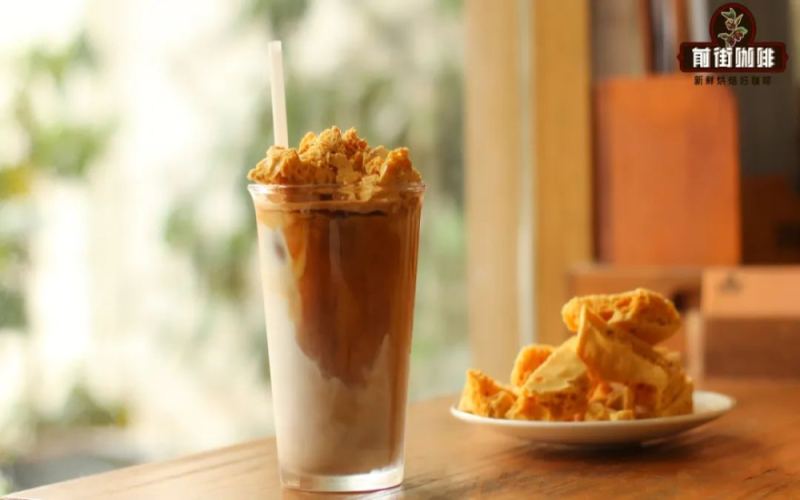
Detailed Guide to the Hit Seoul Dalgona Latte: What Is Honeycomb Toffee? Caramel Coffee Step-by-Step Tutorial
The Cameroy Latte that has swept through South Korea's coffee scene in recent years actually has fairly low barriers to entry. The so-called "Cameroy" refers to a kind of caramel crisp block with honeycomb-like pores; it appeared in the Japanese anime Chibi Maruko-chan as a snack that Maruko loves, and China also has a similar puffed sugar made in a comparable way. Putting this kind of caramel shard into a latte yields a drink that combines caramelized aroma with coffee flavor. This article will start from the origins of Cameroy, then gradually break down the steps for making both iced and hot Cameroy Lattes, including ingredient ratios, operational details, and the flavor performance that Front Street brings through the use of its Warm Sunflower Blend in the preparation, for coffee enthusiasts to reference and practice. [more…]
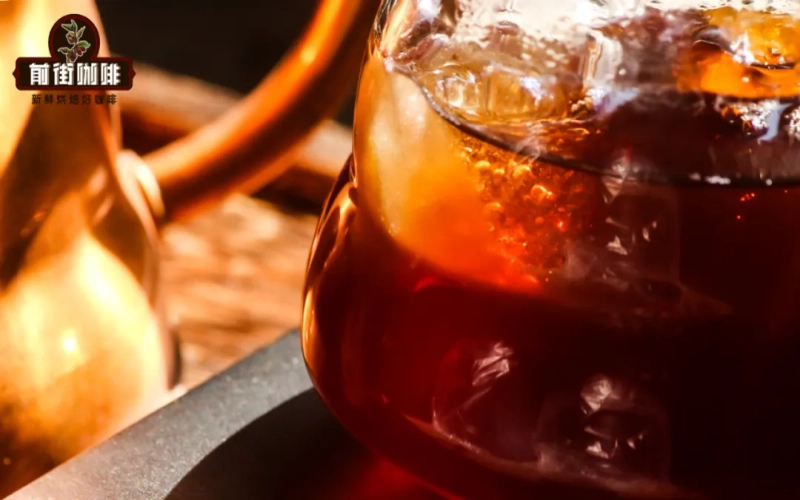
Drip Bag Coffee Transformed into Iced Drink: A Detailed Guide to Two Simple Methods—Drip Filtering and Cold Brew
When the weather gets hot, if you want iced coffee but are too lazy to go out, drip bags are the most hassle-free choice. Essentially, they are a portable pour-over—pre-ground coffee sealed in a non-woven filter bag. The two paper ears replace the dripper; hang it on the rim of your cup and you can brew directly. This article focuses on two iced coffee approaches you can do at home: first, drawing on Japanese-style iced pour-over, by raising the water temperature, reducing the water volume, and adding ice cubes, you can quickly get a cup of iced drip bag coffee that is properly concentrated, refreshing, and not watered down; second, using cold brew steeping, mix the coffee grounds with room-temperature water in proportion, refrigerate overnight, and filter the next day. The article also gives specific coffee-to-water-to-ice ratios, brewing steps, and bean selection suggestions. Readers who like fruity acidity and floral notes or rich, full-bodied coffee can both find corresponding Front Street Coffee drip bag recommendations. [more…]

Cold Brew, Ice Drip, and Cold Brewing: What's the Difference? Key Production Points and Analysis of Huakui Coffee Bean Parameters
A glass of iced coffee in summer always brings coolness and comfort, but the iced coffee family actually has many members—cold brew, ice drip, and cold steep each have their own particularities. From the perspective of Front Street Coffee, this article systematically sorts out the definition of cold brew coffee, its historical origins, and its two major production styles, compares its essential differences with hot-brewed iced coffee, and shares the specific parameters for making Huakui coffee beans with ice drip, along with practical suggestions on grinding, time, and coffee-to-water ratio. Whether you want to try cold steep at home or want to understand the logic behind the ice drip offerings at specialty coffee shops, you can find clear answers and actionable methods here. [more…]
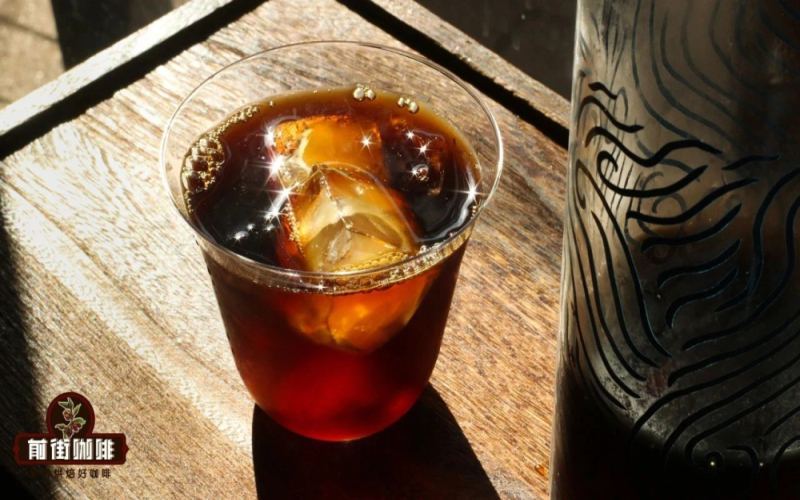
How do you make Japanese-style iced pour-over coffee that actually tastes good? A complete step-by-step guide and parameter breakdown using Golden Mandheling as an example
On a midsummer afternoon, the high temperature makes people drowsy, and a glass of iced black coffee is often the most direct antidote. But when making iced pour-over with dark-roasted beans, the lack of the final stage and dilution from ice often make it bitter and watery. This article uses Front Street PWN Golden Mandheling as an example to share an improved iced brewing method: by lowering the water temperature, coarsening the grind, reducing the total pouring volume, and using a five-stage low-flow pour to extend the extraction time, the result is a cup of iced coffee that is neither bitter nor astringent, with deep aroma and a sweet, smooth body. The article details the coffee dose, water volume, ice amount, water temperature, grind size, and pouring rhythm, making it suitable for coffee enthusiasts who want to replicate professional-level iced pour-over at home. [more…]

The Complete Guide to the Bloom in Pour-Over Coffee: Water Amount, Timing, and Degassing Tips for Light Roasts
Blooming is a seemingly simple yet subtly nuanced key step in pour-over coffee. From the perspective of Front Street, this article delves into the core purposes of blooming—releasing carbon dioxide and stabilizing extraction—and analyzes the connection between the English term "bloom" and the swelling state of the coffee bed. The article compares in detail the pros and cons of different water amounts (1x to 3x), recommending 1.5-2x water as the better choice, while explaining that bloom time should be flexibly controlled between 20-40 seconds based on degassing effectiveness. In addition, it shares practical tips for judging the end of blooming by observing changes in the dome, as well as the specific effects of different bloom durations on coffee flavor, helping coffee enthusiasts master this step precisely. [more…]
Specialty Drip Coffee Bag Recommendations | Can You Make a Latte by Brewing Drip Coffee Directly with Milk? How Does Drip Black Coffee Taste with Milk?
Drip bag coffee, as a convenient medium for easily obtaining a delicious cup of black coffee, is extremely popular in East Asia. In the morning, when time is tight, using drip bag coffee can save a lot of time that would otherwise be spent making coffee (pour-over coffee). The drip bag coffee sold in general coffee shops is usually made from freshly roasted coffee beans that are ground and then packed tightly. [more…]
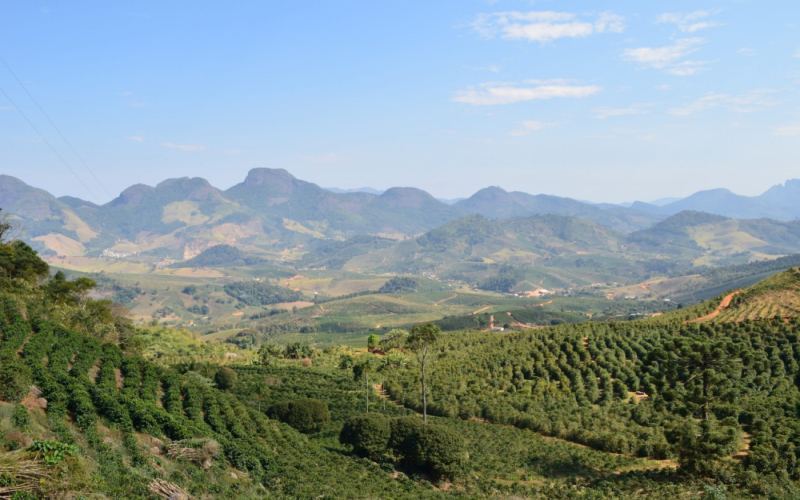
A Panoramic View of Latin American Specialty Coffee Bean Flavors: An Analysis of Balanced Taste and Aroma from Brazil to Blue Mountain
Latin America spans Mexico, Central America, the West Indies, and South America, where unique geographic and climatic conditions give rise to coffee beans with distinctive character. From its beginnings during the colonial period of the eighteenth century to the rise of the specialty coffee wave, Latin American origins gradually came to be known for their balance and body, often displaying notes of cocoa and dark chocolate. This article systematically reviews representative producing countries such as Brazil, Colombia, Panama, Costa Rica, Honduras, and Jamaica Blue Mountain, and, drawing on information about the origin, variety, and processing method of each of Front Street Coffee's single-origin beans, describes their flavor, mouthfeel, and aroma characteristics one by one, offering coffee lovers a practical guide to Latin American specialty coffee flavors. [more…]